There is something deeply satisfying about watching a cluttered, chaotic space transform into a beautifully organized haven right before your eyes. The home edit show phenomenon has taken the streaming world by storm, captivating millions of viewers who crave both aesthetic inspiration and practical guidance for reclaiming their living spaces. From Marie Kondo’s revolutionary tidying philosophy to the bold, color-coded systems popularized by professional organizers, these shows have redefined how we think about our homes. Whether you are a self-proclaimed hoarder looking for a starting point or a neat freak seeking fresh systems, the home edit show format delivers entertainment, education, and genuine transformation in every episode.
What Exactly Is a Home Edit Show
A home edit show is a television or streaming program that documents the process of decluttering, organizing, and redesigning residential spaces. Unlike traditional home renovation shows that focus on structural changes, painting, or expensive remodeling, home edit shows prioritize the art of editing possessions and reorganizing existing spaces. The core premise revolves around curating what stays, donating or discarding what no longer serves a purpose, and creating functional systems that make daily life more intentional and stress-free.
These shows typically feature professional organizers working with homeowners, often in dramatic, emotionally charged transformations. The narrative arc follows the emotional journey from overwhelm to clarity, making viewers feel personally invested in the outcome. The concept of a “home edit” has become synonymous with mindful living, intentional consumption, and the belief that less truly is more.
The Rise of Home Editing Television
The home edit show trend exploded in the mid-2010s and accelerated dramatically with the rise of streaming platforms. Several key factors fueled this popularity:
- The Marie Kondo Effect: “Tidying Up with Marie Kondo” became a cultural phenomenon, introducing millions to the concept of keeping only items that spark joy. The show proved there was massive audience appetite for organizing content.
- Minimalism Goes Mainstream: Documentaries and lifestyle content about minimalism created a cultural shift toward valuing experiences over possessions.
- Streaming Algorithm Love: Platforms like Netflix recognized the binge-worthiness of transformation content, investing heavily in home editing series.
- Pandemic-Era Closets and Clutter: COVID-19 lockdowns left many people spending more time at home, amplifying frustration with disorganized spaces and driving viewership.
Top Home Edit Shows That Redefined the Genre

Several shows have become pillars of the home editing television landscape. Each brings a unique methodology, personality, and approach to organizing spaces.
Get Organized with The Home Edit
Hosted by Clea and Joanna Teplin, this Netflix series popularized the term “home edit” itself. The duo introduced a system of organizing by categories, using color-coded bins and clear labeling to create visually stunning and highly functional spaces. Their catchphrase, “stuff like stuff with stuff like stuff,” became a cultural shorthand for practical organizing.
Tidying Up with Marie Kondo
Marie Kondo’s show introduced the KonMari method, which involves gathering belongings by category rather than by room, holding each item, and asking whether it sparks joy. Kondo’s gentle demeanor and the satisfying folding techniques she demonstrated made the show both meditative and actionable.
Downsizing with Tiny House Hunters
While not strictly a home edit show, this series explores how people drastically reduce their living space and possessions to embrace minimalist living. The focus on intentional consumption and ruthless editing of belongings resonates deeply with the home editing philosophy.
How a Home Edit Show Transforms Your Daily Routine
The impact of watching a home edit show extends far beyond entertainment. Viewers frequently report lasting behavioral changes inspired by what they see on screen. Here is how a home edit show can reshape your daily habits:
- Conscious purchasing decisions: Seeing the consequences of clutter accumulation encourages viewers to pause before buying new items.
- Daily maintenance routines: Professional organizers demonstrate simple five-minute daily habits that prevent clutter from building up again.
- Emotional awareness: The shows often address the emotional attachment to possessions, helping viewers understand why they hold onto things and how to let go.
- Space utilization: Viewers learn creative storage solutions and organizational systems tailored to their specific home layouts.
- Family involvement: Many episodes show entire households participating, teaching viewers how to get partners and children on board with organizing efforts.
The Psychology Behind Why We Love Home Edit Shows
Understanding the psychological pull of home editing content helps explain why the genre resonates so powerfully. Several psychological mechanisms are at play:
| Psychological Factor | Why It Works |
| Transformation Satisfaction | Watching a dramatic before-and-after triggers dopamine release and a sense of accomplishment vicariously. |
| Parasocial Connection | Viewers form bonds with organizers and feel personally coached through the process. |
| Control Restoration | Decluttering represents regaining control over one’s environment, especially when life feels chaotic. |
| Visual Stimulus | The aesthetic payoff of organized spaces satisfies our innate preference for order and beauty. |
| Relatability | Most viewers recognize their own homes in the clutter, creating an immediate personal connection. |
Tips and Expert Strategies You Can Steal from Home Edit Shows
You do not need a professional organizer on screen to apply the principles demonstrated in home edit shows. Here are actionable strategies drawn directly from the most popular programs:
- Start with categories, not rooms. Gather all similar items across your entire home before deciding what stays. This prevents the common trap of shuffling clutter from one room to another.
- The One-Year Rule. If you have not used an item in over a year, seriously consider letting it go. This threshold helps eliminate the “just in case” mentality that drives hoarding.
- Use clear, uniform containers. Matching storage bins create visual calm and make it easy to see what is inside each container.
- Label everything. A label maker is the unsung hero of every home edit show. Clear labeling ensures every family member can maintain the system.
- Assign a home for every item. Every belonging should have a designated spot. When things have a home, returning them becomes second nature.
- Edit before you buy. Before purchasing storage solutions or organizational products, edit your possessions first. You may need fewer containers than you think.
Expert Tip: The most successful home edits are not about perfection. Professional organizers consistently emphasize progress over perfection. A system that works for your real life, with your real habits, will always outperform an aspirational Instagram-worthy setup that collapses under daily use.
Beginners vs. Advanced Home Editing: Where to Start
Whether you are completely new to the concept of home editing or you are a seasoned decluttering enthusiast, there is always room to refine your approach.
For Beginners: Start small. Choose a single drawer, a single shelf, or one category of items like kitchen spices or bathroom toiletries. Watch an episode of a home edit show while you work and mimic the basic sorting process: keep, donate, discard, relocate. The goal is building momentum and confidence.
For Intermediate Editors: Move to larger categories like clothing, books, or paperwork. Implement the systems you have seen on shows, such as color-coding, bin labeling, and vertical folding. Start involving family members in the process and establish maintenance routines that prevent backsliding.
For Advanced Practitioners: Focus on systems thinking. Design custom storage solutions, create digital filing systems, establish donation schedules, and develop a personal “shopping philosophy” that prevents future clutter. Consider how each room serves your evolving lifestyle and adjust accordingly.
Common Mistakes People Make After Watching a Home Edit Show
Watching home edit shows can create a rush of excitement that leads to common pitfalls:
- Buying organizing products before editing: This reverses the process and often leads to purchasing containers for things you do not actually need to store.
- Trying to edit everything at once: Attempting a whole-house edit in a weekend leads to burnout and half-finished projects that feel worse than the original clutter.
- Ignoring emotional attachments: Simply throwing away sentimental items without processing the emotions behind them leads to guilt and regret.
- Copying someone else’s system exactly: Every home, family, and lifestyle is different. The best systems are adapted to your specific needs, not copied wholesale from television.
FAQs About Home Edit Shows
What is the most popular home edit show on streaming platforms?
“Get Organized with The Home Edit” on Netflix remains the most recognizable home edit show, largely because it popularized the term itself. The show’s vibrant aesthetic and practical, category-based organizing system have made it a fan favorite since its release.
Can watching a home edit show actually help me get organized?
Absolutely. The shows provide both inspiration and methodology. Viewers gain access to professional systems, sorting frameworks, and maintenance strategies that they can immediately apply in their own homes. The key is taking action after watching rather than passively consuming the content.

How long does a full home edit typically take based on show recommendations?
Professional organizers featured in home edit shows generally recommend dedicating one to two weeks for a full home edit, tackling one room or category at a time. Attempting to rush the process typically leads to disorganized results that do not last.
Do home edit shows work for small spaces like apartments and studios?
Yes, home editing principles are especially valuable for small spaces. The shows frequently feature apartment dwellers and demonstrate how strategic editing and creative storage can make even the tiniest living areas feel spacious and functional.
What should I do with items I decide to discard during a home edit?
The shows consistently recommend three paths: donating usable items to local charities, selling valuable pieces through consignment or online marketplaces, and responsibly recycling or disposing of broken or unusable items. Some shows even feature the emotional moments when items find new homes through donation.
Are home edit shows suitable for families with children?
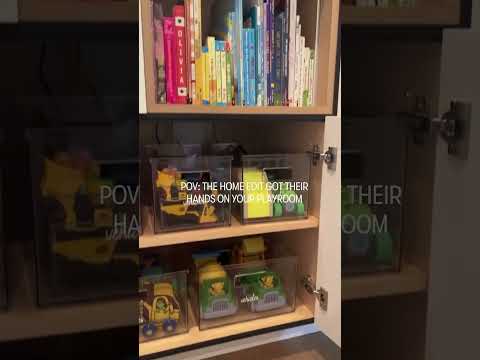
Many home edit shows specifically feature family makeovers and offer strategies for organizing kids’ rooms, toy collections, and shared spaces. The shows provide age-appropriate ways to involve children in the organizing process, teaching them valuable life skills while transforming the household.
Final Thoughts: Why the Home Edit Show Era Is Here to Stay
The home edit show format has proven that audiences are hungry for content that combines emotional storytelling with practical, actionable advice. These shows do more than entertain — they offer a roadmap to calmer, more intentional living. The principles demonstrated by professional organizers on screen are timeless: keep what serves you, release what does not, and design systems that support your daily life. As the genre continues to evolve with new shows, innovative organizing methods, and fresh perspectives from diverse hosts, one thing remains certain — the desire for a thoughtfully edited home is universal, and the home edit show will continue to guide viewers toward that goal for years to come.