


Living in a small apartment or cozy studio doesn’t mean your cat has to miss out on the adventure, exercise, and comfort that a quality cat tree provides. The truth is, urban living has created a growing demand for cat trees designed specifically for small spaces, and the pet furniture industry has responded with some incredibly creative solutions. Whether you’re working with a 400-square-foot studio or a modest two-bedroom apartment, the right vertical playground can transform your cat’s quality of life while keeping your living area functional and clutter-free. In this comprehensive guide, we’ll walk you through everything you need to know — from choosing the perfect compact design to installing it safely in tight quarters. If you’ve been Googling “small apartment cat trees” or “vertical cat furniture for tiny homes,” you’re in the right place.
Why Cat Trees Are Essential for Small Living Spaces
Cats are territorial animals that thrive on vertical territory. In the wild, climbing to higher vantage points gives them a sense of security, a hunting advantage, and a place to retreat. When you compress that territory into a small apartment, the need for vertical enrichment becomes even more critical. Without proper outlets for climbing and scratching, cats in small spaces are more likely to develop behavioral issues like furniture scratching, over-grooming, and anxiety-driven aggression. A well-chosen cat tree for small spaces gives your feline companion multiple functions in a single footprint — climbing, scratching, resting, and observing. This is why pet behaviorists and veterinarians consistently recommend vertical cat furniture for apartments and homes under 800 square feet. The space-saving design isn’t just a luxury; it’s a necessity for your cat’s mental and physical health.
Best Types of Cat Trees for Small Spaces
Wall-Mounted Cat Trees and Shelves
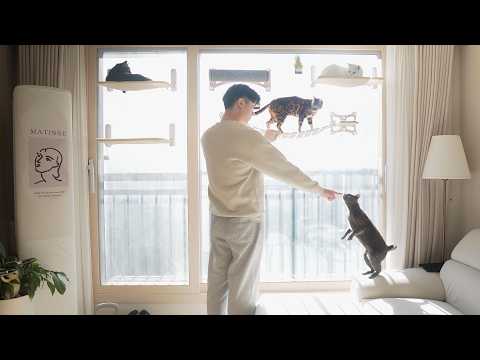
Wall-mounted options are arguably the single most space-efficient solution for tiny living areas. These systems attach directly to your wall studs or use heavy-duty adhesive mounts, freeing up every square inch of floor space. Think of them as cat bookshelves — multiple platforms at varying heights that create a climbing highway across your room’s perimeter. Many wall-mounted sets include a cozy hammock or dangling toy attachment, giving your cat everything they need without a single inch of floor footprint. If square footage is your biggest constraint, this is where you should start your search for compact cat trees for studios and apartments.
Corner-Design and Narrow Footprint Trees
Another excellent category is the corner cat tree, specifically engineered to fit snugly into the triangular dead zones between walls. These designs typically rise vertically and take up less than two square feet of floor space, yet they offer multiple levels, scratching posts, and cozy hideaway cubbies. Corner trees are perfect for living rooms and bedrooms where every inch counts. Look for models with a narrow base (under 18 inches wide) and sturdy construction — the smaller the footprint, the more critical it is that the base is wide enough to prevent tipping.
Multi-Functional Cat Furniture
For cat owners who want maximum value, multi-functional cat furniture combines a tree with additional features like a scratching pad, storage bench, or even a tiny litter box enclosure. These hybrid pieces serve double duty — they’re both cat enrichment equipment and practical household furniture. If you’re furnishing a studio apartment and need to maximize every inch, a multi-functional vertical climbing tree can replace a separate bookshelf or side table while giving your cat their own dedicated space.
How to Choose the Right Cat Tree for a Small Apartment
Choosing the best cat tree for small rooms involves more than just picking the shortest option. You need to consider your cat’s size, age, activity level, and personality. Here are the key factors to evaluate:
- Height vs. Footprint Ratio: Prioritize tall, narrow designs over wide, low platforms. Cats love height, and a vertical design delivers more climbing satisfaction per square foot.
- Material Quality: Look for sisal rope wrapping on scratching posts and plush or fleece covers on lounging platforms. Cheap materials degrade fast and can be unsafe.
- Weight Capacity: Even in a small space, you want a tree that can support your cat’s weight securely. Check the manufacturer’s load rating and ensure the base is weighted or wall-anchored.
- Assembly and Portability: If you move frequently or live in a rental, choose a modular or easily disassembled design. Some wall-mounted kits require no tools.
- Your Cat’s Preferences: Senior cats need lower platforms with easy access, while kittens and active breeds like Bengals need taller, more challenging structures.
Top Features to Look For in Compact Cat Trees
Not all small-space cat trees are created equal. When comparing products, focus on these features that genuinely matter for apartment living:
- Sisal scratching surfaces — the gold standard for durability and claw health
- Removable, machine-washable cushions — essential for keeping the tree hygienic in a small, enclosed space
- Non-slip base pads or wall-mount capability — prevents tipping on hard floors like hardwood or tile
- Multiple activity levels — a perch, a hideaway, and a scratching point in one unit maximizes stimulation
- Neutral or modern aesthetics — because your cat tree is living in your home, not a separate room
- Sturdy construction with solid wood or high-density particle board — wobbly budget trees are frustrating and dangerous
Comparison: Small Space Cat Tree Options
| Type | Floor Space Needed | Best For | Price Range |
| Wall-Mounted Shelf Set | 0 sq ft | Tiny studios, renters | $40–$120 |
| Corner Vertical Tree | 1.5–2.5 sq ft | Living rooms, bedrooms | $60–$180 |
| Multi-Functional Unit | 3–4 sq ft | Full furnishing needs | $100–$250 |
| Tall Narrow Tower | 2–3 sq ft | Active cats, larger pets | $70–$200 |
| Modular Wall-to-Wall System | 0 sq ft | Maximum customization | $150–$400 |
Expert Tips for Maximizing Vertical Space in Small Apartments
Installing a cat tree in a small space is only half the battle. Here are expert-level strategies to get the most out of your vertical cat furniture:
- Create climbing pathways: Pair a wall-mounted shelf set with a corner tree so your cat can travel from floor to ceiling using a continuous route along the walls. This mimics the vertical highways cats use in multi-level environments.
- Use the perimeter walls: Place cat trees along the edges of rooms rather than in the center. This keeps your main living and walking areas open and unobstructed.
- Anchor everything securely: In small spaces, a tipping cat tree can cause damage to furniture and injure your pet. Always use wall anchors for tall structures and place heavier trees against walls for added stability.
- Rotate toys and add catnip: Keep your cat engaged with their tree by rotating dangling toys and sprinkling catnip on scratching posts every few weeks. Novelty prevents boredom in confined environments.
- Match the tree to your decor: Modern compact cat trees come in neutral tones like beige, gray, and natural wood. Choosing a design that complements your apartment’s aesthetic removes the visual clutter that makes small spaces feel even smaller.
Conclusion
Finding the right cat tree for small spaces is entirely achievable with the right approach. The key is to prioritize vertical design, multi-functionality, and structural stability. Whether you choose a wall-mounted shelf system, a corner tree, or a multi-purpose unit, the goal is the same: giving your cat a rich, stimulating environment within the physical constraints of your apartment. Invest in quality materials, secure installation, and thoughtful placement, and you’ll see the benefits in your cat’s behavior, health, and happiness — not to mention the joy of coming home to a feline who’s truly thriving in their indoor world. Start with one well-chosen piece and build from there as your cat’s needs evolve.
Frequently Asked Questions
What is the best cat tree for a small apartment under 500 square feet?
For apartments under 500 square feet, wall-mounted cat shelf sets or narrow corner trees are the top choices. The M-shaped wall-mounted system is especially popular because it creates a full climbing path using zero floor space. If you prefer a freestanding option, look for models under 24 inches wide with a tall vertical design — these give your cat multiple levels without dominating the room.

How do I secure a tall cat tree in a small apartment without damaging walls?
The safest method is to use L-brackets or heavy-duty wall anchors screwed into the studs behind your drywall. Many premium compact cat trees come with built-in wall-attachment hardware. If you’re a renter, adhesive mounting strips rated for high weight can work for shorter trees, but always verify the weight rating and test stability before allowing your cat to use it unsupervised.
Can a small cat tree still provide enough exercise for an indoor cat?
Absolutely — but it depends on the design. A small space cat tree needs to offer at least two climbing levels and a scratching surface to provide adequate exercise. Pairing a compact tree with interactive toys like feather wands or laser pointers adds the horizontal movement component that a tree alone can’t provide. The key is daily engagement, not just the furniture itself.
What materials are safest and most durable for compact cat trees?
Sisal rope is the most durable material for scratching surfaces and withstands heavy use without fraying quickly. For platforms and perches, choose faux fur or plush fabric that is removable and machine-washable. Avoid trees covered in cheap fabric that sheds excessively or uses toxic dyes. Solid wood or high-density compressed wood bases are far more stable and long-lasting than particleboard alternatives.
Are wall-mounted cat trees safe for older or overweight cats?
Yes, but with caveats. Older or overweight cats need wider, more stable platforms with low entry heights. Wall-mounted shelves should be spaced no more than 10–12 inches apart to accommodate limited jumping ability. Always check the weight capacity of each shelf and the anchor points before installation, and consider adding a ramp or stepped platform system for easier access.