


When your living space starts feeling cluttered and chaotic, the solution often comes down to one simple shift: how you organize the furniture you already own. A furniture organizer is far more than a decorative add-on—it is a functional system designed to maximize storage, improve accessibility, and transform chaotic rooms into calm, intentional spaces. Whether you are dealing with an overflowing closet, a junk drawer that swallows small items whole, or a bedroom that lacks enough storage for seasonal belongings, the right organizer can completely change the way you interact with your home. This comprehensive guide dives deep into everything you need to know about furniture organizers, from the different types available to expert strategies for choosing and using them effectively.
What Exactly Is a Furniture Organizer?
A furniture organizer refers to any accessory, insert, system, or modular piece designed to enhance the storage capacity of existing furniture. Unlike standalone shelving units or freestanding cabinets, organizers work within or on top of the furniture you already have—think drawer dividers, over-the-door hanging racks, closet rod shelves, and under-bed storage bins that slide beneath your bed frame. The core purpose is to make use of dead space, create designated zones for specific items, and reduce the visual clutter that makes rooms feel smaller than they actually are.
The home organization industry has exploded in recent years, and furniture organizers sit at the heart of that trend. From budget-friendly fabric bins to premium modular closet systems, there is now an organizer solution for nearly every type of furniture and every storage challenge imaginable.
Types of Furniture Organizers You Should Know About
Understanding the variety of organizers available is the first step toward transforming your space. Below are the most popular categories, each serving a distinct purpose and room.
1. Drawer Organizers and Inserts
Drawer organizers are segmented trays that fit inside dressers, nightstands, kitchen cabinets, and office desks. They come in adjustable, stackable, and fixed configurations. Whether you need to sort jewelry, socks, utensils, or office supplies, a well-chosen drawer insert eliminates the jumbled mess that forms when items pile on top of each other.
2. Closet Organizer Systems
Closet organizers range from simple hanging rods and shelf extenders to full-scale customizable systems featuring double rods, shoe racks, and pull-out baskets. These are especially popular in bedrooms and master suites where wardrobe space is at a premium. A closet organizer can double your usable hanging space and create a dedicated zone for folded clothing, accessories, and seasonal items.
3. Over-the-Door Organizers
These hanging organizers slide over the top of any standard interior door and typically feature clear pockets or fabric pouches. They are ideal for bathrooms, entryways, and children’s rooms, where they can store toiletries, shoes, accessories, or school supplies without consuming any floor space.
4. Shelf Risers and Stackable Organizers
Shelf risers are small platforms that create double the storage surface inside cabinets, bookshelves, or wardrobes. Stackable organizers work similarly but are designed with compartments for specific items like plates, books, or folded clothes. They are among the most cost-effective furniture organization tools available.
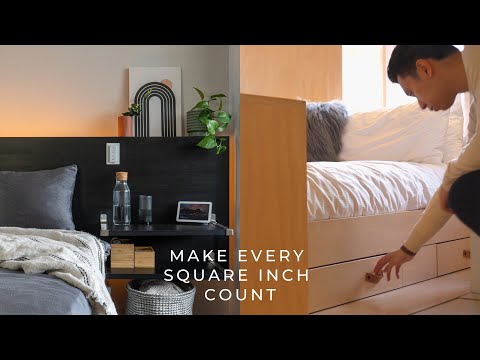
5. Under-Bed and Behind-Organizers
Under-bed storage containers and behind-the-door hanging organizers pull out hidden storage zones that most homeowners completely ignore. These solutions are perfect for bulky items like off-season blankets, extra pillows, or shoes that are not in daily rotation.

Benefits of Using Furniture Organizers
The advantages of incorporating organizers into your home go well beyond tidiness. Here is what you actually gain:
- Increased usable storage space — Organizers make use of vertical gaps, dead zones, and unused surfaces inside your existing furniture.
- Faster daily routines — When every item has a designated spot, you spend less time searching for keys, shoes, clothing, or toiletries each morning.
- Reduced stress and mental clutter — Research consistently links organized physical environments with lower cortisol levels and improved focus.
- Extended furniture lifespan — Proper organization prevents damage caused by cramming too many items into drawers or shelves unevenly.
- Cost savings — Instead of buying new storage furniture, organizers let you maximize the potential of what you already own.
- Easy adaptability — Most organizers are removable, repositionable, and adjustable, making them ideal for renters and homeowners alike.
How to Choose the Right Furniture Organizer for Your Space
Selecting the best organizer requires honest assessment of your storage pain points. Consider these factors before making a purchase.
Measure Your Furniture First
Never buy an organizer without measuring the interior dimensions of the drawer, shelf, closet, or cabinet where it will go. A drawer organizer that is even half an inch too wide will not slide in properly and will waste the space you are trying to optimize.
Identify Your Most Frustrating Clutter Zones
Walk through your home and note which areas cause the most daily frustration. Is it the junk drawer in the kitchen? The overflowing bedroom closet? The bathroom cabinet where toiletries pile up? Targeting your highest-pain areas first ensures you get the most visible, satisfying results early on.
Match Material to Room and Function
Fabric organizers work well in bedrooms and closets because they are lightweight and breathable. Plastic and acrylic organizers suit kitchens and bathrooms where moisture resistance matters. Wood and bamboo inserts add a premium, natural aesthetic to living rooms and home offices.
Consider Adjustability
Adjustable and modular systems offer the greatest long-term value because they can be reconfigured as your storage needs change. Fixed-size organizers may be cheaper upfront but can become useless if your furniture layout shifts.
Best Places to Install Furniture Organizers
The effectiveness of any organizer depends heavily on placement. Here are the highest-impact locations in most homes.
- Bedroom closets — Double hanging rods, shelf dividers, and shoe racks transform a cramped closet into a highly functional wardrobe system.
- Kitchen cabinets — Shelf risers and turntable organizers eliminate the deep-cabinet problem where items get buried and forgotten.
- Dresser drawers — Adjustable dividers create dedicated zones for socks, undergarments, accessories, and folded clothing.
- Bathroom vanities — Tiered shelf inserts and drawer trays keep cosmetics, toiletries, and medicines neatly separated.
- Home office desks — Cable organizers, drawer inserts, and vertical file holders keep paperwork and tech accessories in order.
- Entryways — Over-the-door shoe organizers and wall-mounted hooks create an instant drop zone for keys, bags, and outerwear.
Comparison: Popular Furniture Organizer Types at a Glance

| Organizer Type | Best For | Average Price Range | Ease of Installation | Durability |
| Drawer Inserts | Clothing, accessories, utensils | $10–$40 | No tools needed | High |
| Closet Systems | Wardrobe optimization | $30–$200 | Minimal assembly | Very High |
| Over-the-Door Racks | Shoes, toiletries, accessories | $8–$25 | No tools needed | Moderate |
| Shelf Risers | Cabinets, bookshelves | $5–$20 | No tools needed | High |
| Under-Bed Bins | Seasonal items, linens | $15–$50 | Slide-in placement | High |
Expert Tips for Maximizing Your Furniture Organizer Setup
Even the best organizer will underperform if you do not follow some foundational principles. Here is what experienced organizers and interior designers recommend.
- Start by decluttering. An organizer cannot fix a space that is overloaded with unnecessary items. Remove everything first, keep only what you use or love, and then organize the remainder.
- Use the zone method. Assign each section of a drawer, shelf, or closet to a specific category—tops, bottoms, accessories, or documents. This makes retrieval intuitive.
- Label everything. Clear labels on bins and containers eliminate guesswork and help every household member return items to the correct spot.
- Prioritize frequently used items. Place the items you reach for daily at eye level or in the most accessible drawers. Seasonal or rarely used items go higher, lower, or deeper.
- Reassess every three to six months. Storage needs evolve as seasons change and lifestyles shift. Revisit your organizer setup and adjust accordingly.
Common Mistakes to Avoid When Organizing Furniture
Even well-intentioned organizers make avoidable errors. Do not fall into these traps.
- Buying organizers before decluttering — You will likely end up with a perfectly organized space full of things you do not actually need.
- Choosing aesthetics over function — A beautiful organizer that does not fit your dimensions or workflow will be abandoned within weeks.
- Overstuffing compartments — cramming too many items into one section defeats the purpose of having designated zones.
- Ignoring vertical space — Most rooms have significant untapped vertical storage potential that shelf risers and hanging organizers can unlock.
- Buying one-size-fits-all solutions — Every piece of furniture and every household has unique storage requirements. Customizable options almost always outperform generic ones.
Frequently Asked Questions About Furniture Organizers
What is the best furniture organizer for small bedrooms?
For small bedrooms, over-the-door organizers, under-bed storage bins, and adjustable drawer dividers are the most effective solutions. These options utilize vertical and hidden space without taking up any additional floor area, which is critical in compact rooms.
How do I clean and maintain my furniture organizer?
Fabric organizers can typically be spot-cleaned with a damp cloth and mild detergent. Plastic and acrylic inserts can be wiped down with a gentle all-purpose cleaner. Wooden organizers should be dusted regularly and treated with furniture polish every few months to maintain their finish and longevity.
Are furniture organizers worth the investment?
Absolutely. A quality furniture organizer typically costs between $10 and $50, yet it can extend the functional life of your existing furniture, reduce daily frustration, and eliminate the need to purchase additional storage furniture. The return on investment in terms of time saved and stress reduced is significant.
Can furniture organizers be used in rental properties?
Yes, the vast majority of furniture organizers are designed to be non-invasive and require no permanent installation. Over-the-door racks, drawer inserts, shelf risers, and under-bed bins are all fully removable and leave no damage behind, making them perfect for renters.
What materials are the most durable for furniture organizers?
Bamboo, hardwood, and heavy-duty plastic are the most durable materials for furniture organizers. Fabric options are lightweight and affordable but may wear out faster with heavy daily use. Acrylic organizers offer a premium look and excellent longevity, though they tend to be more expensive.
How do I organize a deep closet that feels overwhelming?
Start by installing a double hanging rod to create two usable levels of hanging space. Add a shelf divider or shelf riser above the lower rod for folded items. Place a shoe rack at the bottom and use clear over-the-door organizers for accessories. Break the project into sections and tackle one zone per day to avoid burnout.
Final Thoughts on Furniture Organizers
A well-chosen furniture organizer is one of the simplest and most affordable ways to completely reshape your living environment. It does not require a renovation budget, professional help, or hours of free time. What it does require is a clear understanding of your storage challenges, a willingness to declutter first, and the discipline to maintain organized systems over time. Whether you start with a single drawer insert or commit to a full closet reorganization project, every organizer you add brings you one step closer to a home that feels spacious, peaceful, and effortlessly functional. Start small, stay consistent, and watch as the ripple effects of better organization transform not just your rooms but your daily routine and mindset.