


When homeowners say they want to define remodel their living space, they are often looking for a clear, structured way to plan, scope, and execute a transformation that adds both function and value to their property. The term “define remodel” might sound straightforward, but it encompasses a comprehensive process that involves assessing your current space, identifying improvement goals, setting realistic budgets, choosing the right materials, and establishing a timeline that keeps everything on track. Whether you are tackling a kitchen overhaul, a bathroom refresh, or a whole-home renovation, understanding how to properly define your remodel is the single most important step you can take before any demolition or construction begins. This guide walks you through every layer of the remodel definition process — from beginner-level planning to advanced project management strategies — so you can approach your next home improvement project with confidence and clarity.
What Does “Define Remodel” Actually Mean?
To define remodel in its most practical sense means to clearly outline the what, why, and how of a home improvement project before any physical work starts. It is the act of creating a detailed blueprint — both literally and figuratively — that describes the changes you want to make, the reasons behind those changes, and the method you will use to achieve them. Unlike a vague wish to “update the house,” defining a remodel requires specificity. You need to articulate the scope of work, the design style you are targeting, the quality of materials, and the expected outcome in measurable terms.
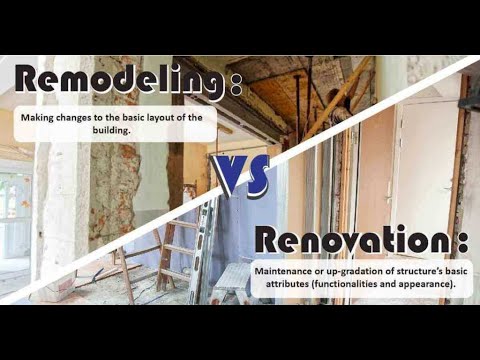
Many people confuse remodeling with renovating, but there is a meaningful distinction that matters when you are defining your project. Remodeling refers to altering the structure, layout, or function of an existing space. It might involve knocking down walls, reconfiguring plumbing or electrical systems, or changing the footprint of a room entirely. Renovating, on the other hand, typically means restoring or refreshing what already exists — think repainting walls, replacing fixtures, or refinishing floors without changing the fundamental layout.
Remodel vs. Renovate: Key Differences at a Glance
| Aspect | Remodel | Renovate |
| Structural Changes | Yes — alters layout or function | No — preserves existing structure |
| Cost Range | Higher — involves demolition and rebuilding | Lower — focuses on surface-level updates |
| Timeline | Longer — weeks to months | Shorter — days to weeks |
| Permits Often Required | Frequently, especially for structural work | Rarely, unless electrical or plumbing is involved |
| Property Value Impact | Significant increase in most cases | Moderate refresh and cosmetic improvement |
| Complexity | High — requires architectural planning | Low to moderate — can be DIY-friendly |
Why Defining Your Remodel Matters Before You Start
Skipping the definition phase is the number one mistake homeowners make. When you rush into a project without clearly defining your remodel, you risk cost overruns, design inconsistencies, permit violations, and ultimately a finished product that does not match your vision. Defining your remodel upfront creates a roadmap that guides every decision — from hiring contractors to selecting finishes — and ensures that everyone involved understands the project’s boundaries and expectations.
Here is why this step is non-negotiable:
- Budget control: A clearly defined remodel allows you to allocate funds precisely, reducing the chance of surprise expenses that derail your finances.
- Accurate contractor estimates: Contractors need detailed scope definitions to provide reliable quotes. Vague projects lead to vague estimates and potential disputes.
- Permit compliance: Local building departments require detailed project descriptions for permit applications. A well-defined remodel makes this process smoother.
- Design cohesion: When you define your remodel with a clear vision, every design choice — from cabinetry styles to lighting fixtures — works together harmoniously.
- Timeline management: Defining milestones and deliverables helps you track progress and hold contractors accountable to deadlines.
Core Components of a Successful Remodel Definition
A thorough remodel definition consists of several interconnected components. Each one builds on the last, and skipping any of them can weaken the entire plan.
Scope and Scale Considerations

The scope defines exactly what work will be done and what will not. When you define remodel boundaries, be specific. For example, instead of saying “update the kitchen,” write “replace cabinetry, install quartz countertops, relocate the sink plumbing, and add under-cabinet LED lighting.” This level of detail eliminates ambiguity and gives contractors a precise checklist to follow. The scale refers to how large the project is — a single room versus a multi-space transformation — which directly impacts complexity, cost, and timeline.
Budget Planning and Cost Estimation
Your budget is the backbone of any remodel definition. Start by researching average costs for similar projects in your area, then factor in a contingency buffer of 10 to 20 percent for unexpected issues. Break your budget into categories such as labor, materials, fixtures, permits, and design fees. A well-structured budget table looks like this:
| Budget Category | Percentage of Total | Example ($50,000 Project) |
| Labor | 40% | $20,000 |
| Materials | 30% | $15,000 |
| Fixtures and Appliances | 15% | $7,500 |
| Permits and Fees | 5% | $2,500 |
| Contingency | 10% | $5,000 |
Step-by-Step Process to Define Your Remodel Project
Follow this systematic approach to create a rock-solid remodel definition that serves as your project’s foundation:
- Assess your current space honestly. Take measurements, photograph every area, and note existing problems — cracked foundations, outdated wiring, poor ventilation. Understanding what you are starting with is essential before you can define what you want it to become.
- Identify your goals and priorities. Write down what you want the remodel to achieve. Is it increasing home resale value? Improving daily functionality? Updating the aesthetic? Rank these goals by importance so decisions stay focused when compromises are needed.
- Research design inspiration and gather references. Create a mood board using platforms like Pinterest or Houzz. Collect images that represent the style, color palette, and materials you envision. This visual reference makes your remodel definition tangible.
- Consult professionals early. Even a brief consultation with an architect or interior designer can reveal structural limitations, code requirements, and cost realities you might not anticipate on your own.
- Draft a detailed scope of work document. This is the heart of your remodel definition — a written description of every task, material, and deliverable. Share this document with all contractors you interview.
- Set the timeline and milestones. Define key dates for demolition, framing, inspections, and final completion. A realistic timeline accounts for lead times on custom materials and potential weather delays for exterior work.
- Review and finalize before signing contracts. Walk through your complete remodel definition with your chosen contractor, address every question, and ensure both parties sign off on the scope, budget, and schedule before any work begins.
Common Remodel Projects and How to Define Each One
Different projects require different levels of definition detail. Here are examples of common remodel types and what a strong definition looks like for each:
- Kitchen remodel: Define the layout changes (open concept, island addition), appliance upgrades, flooring replacement, lighting design, and storage solutions. Include whether you are moving plumbing or gas lines.
- Bathroom remodel: Specify tile materials, fixture brands, shower configuration (walk-in, tub-shower combo), vanity style, ventilation, and waterproofing requirements.
- Whole-home addition: This requires architectural drawings, zoning verification, structural engineering input, and a detailed definition of square footage additions, room functions, and exterior finish choices.
- Basement finish: Define egress requirements, insulation specifications, electrical and plumbing rough-ins, ceiling height goals, and intended use (family room, home office, rental unit).
Expert Tips for Defining Your Remodel Like a Professional
Even seasoned homeowners can benefit from these pro-level strategies when defining their remodel projects:
- Use measurable outcomes. Instead of saying “make the living room bigger,” define it as “increase the living room square footage by 200 square feet through the removal of the hallway wall and extension of the footprint by eight feet.”
- Include product specifications. When you define remodel materials at the brand, model, and finish level, you eliminate guesswork and ensure consistency across multiple vendors.
- Account for the unseen. Always factor in wall removal, subfloor replacement, mold remediation, or asbestos testing when older homes are involved. These hidden elements can dramatically alter your definition if not anticipated.
- Document everything. Keep a project binder with contracts, change orders, permits, receipts, and progress photos. This documentation protects you legally and financially if disputes arise.
- Build flexibility into your definition. A good remodel definition is detailed but not rigid. Leave room for design adjustments that often emerge once walls come down and you can see the actual space.
Frequently Asked Questions (FAQs)
What does it mean to define a remodel project?
Defining a remodel project means creating a comprehensive written plan that outlines the scope of work, design goals, budget allocation, material specifications, timeline, and expected outcomes before construction begins. It transforms a general idea into a structured, actionable roadmap that guides every phase of the home improvement process.
How do I define the scope of a remodel without overspending?
Start by prioritizing your must-haves versus nice-to-haves. Research average costs per square foot for your specific project type in your local market, and always include a 10 to 20 percent contingency fund. A well-defined scope lists every specific task and material, which prevents scope creep — the common tendency for projects to expand beyond the original budget.

Can I define a remodel myself, or do I need a professional?
You can absolutely define a remodel yourself, especially for smaller projects like a bathroom refresh or cosmetic kitchen update. However, for structural changes, additions, or whole-home renovations, consulting with an architect or experienced contractor during the definition phase helps catch issues you might overlook, ensures code compliance, and leads to a more accurate and realistic project plan.
What is the difference between a defined remodel and an undefined one?
A defined remodel has a clear scope document, itemized budget, material specifications, timeline with milestones, and agreed-upon deliverables — all documented before work starts. An undefined remodel operates on general wishes without specific parameters, which almost always leads to miscommunication with contractors, budget overruns, design inconsistencies, and project delays.
How detailed should my remodel definition be before getting contractor quotes?
Your remodel definition should be detailed enough that a contractor can provide an accurate, line-item estimate. Include the specific work to be done, material brands and grades, any structural or mechanical changes, and the desired finish quality. The more detail you provide upfront, the more consistent and comparable your quotes will be across multiple contractors.
Conclusion
Learning how to define remodel your home is the foundation of every successful home improvement project. It transforms vague aspirations into concrete, actionable plans that keep you on budget, on schedule, and aligned with your vision. By understanding the difference between remodeling and renovating, breaking your project into clear components, following a structured definition process, and applying expert-level planning strategies, you set yourself up for a build that delivers real value — both in the space you live in and the long-term worth of your property. Take the time to define your remodel thoroughly before the first hammer swings, and you will find that the entire construction experience is smoother, more predictable, and far more rewarding.